





Studying an art degree can provide you with time and space to hone your artistic skills, collaborate with other artists and gain expert feedback on your work. Plus, with studios and various art facilities you may not otherwise have access to, university can be the perfect place to build an impressive portfolio.
With thousands of art degrees to choose from across a range of top-ranked universities and art schools, which type of art degree should you choose?
The QS World University Rankings by Subject provide an easy way to compare top universities based on a variety of ranking indicators. Covering 241 top institutions for art and design, the rankings are a great first step to finding your dream programme.
To make it even easier, we’ve compiled seven types of art degree for you to consider.
Fine art degrees
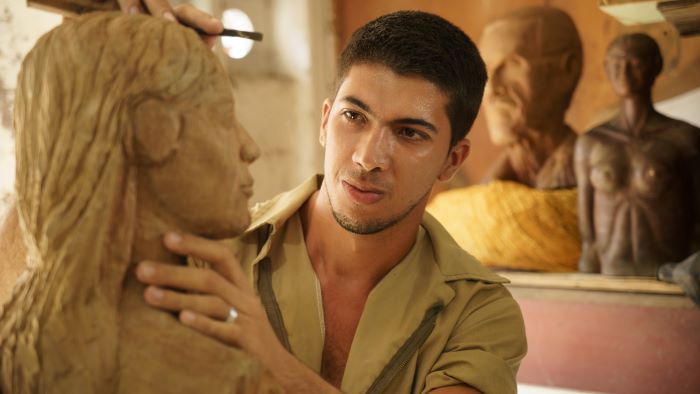
Whether you have a passion for painting, sculpting, drawing or printmaking, a fine art degree allows you to explore a variety of mediums and techniques before specialising in an area of your choosing. With a fine art degree, you can focus on finding your artistic voice, refining your skills and experimenting with where your art can take you.
The University of the Arts London (UAL), ranked second in the QS World University Rankings by Subject: Art and Design, continually challenges its students to question what art is and encourages experimentation through contemporary art practise.
Students at UAL work in one of four pathways – 2D, 3D, 4D or XD – encompassing studio practice where discovery is encouraged. UAL explains the creative benefits of this approach as a perpetual reinvention of the space: “The studio functions as a laboratory, performative site, social space and discursive environment.’
Students at New York’s Pratt Institute, ranked joint sixth in the QS World University Rankings by Subject: Art and Design, can choose to major in a number of specialisms at both undergraduate and postgraduate levels.
Alongside studio practise, all fine arts students will learn about social, historical and critical issues in contemporary art through lectures and seminars. Graduates pursue diverse careers as artists and art educators, critics, curators, gallerists, creative entrepreneurs and arts administrators.
Film, photography and media degrees
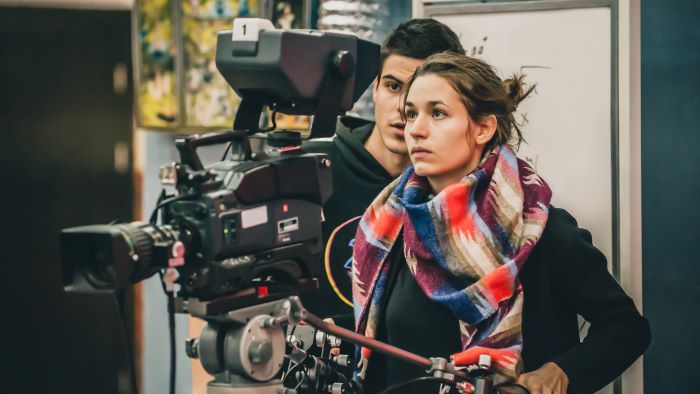
The impact of a powerful film or photograph in an image-driven world can’t be underestimated when most people have access to smartphone cameras. Exercising your creative muscle in the film, photography and media industry is an exciting way to gain technical skills with an artistic direction.
At Aalto University in Finland, ranked joint eighth in the QS World University Rankings by Subject: Art and Design, students can choose from a number of master’s programmes in the department of art and media including photography, visual communication art and new media.
Emilia Pennanen, MA photography student at Aalto University, said: “The most interesting thing about photography for me is the possibility to create works that are not just images. I make works that use sound, video, performance, sculpture and photography as well.”
A BFA, MA or MFA in film and television at Savannah College of Art and Design, ranked 15th in the QS World University Rankings by Subject: Art and Design, can provide you with the opportunity to work on real sets or join student-produced shows before you graduate. Plus, student-led productions at SCAD compete for prestigious awards and are screened at international film festivals each year.












Get closer to your dream programme
Your consent preferences have been set.
Time to start exploring.
Your account has been removed.
You can still browse the site or sign up again once you have parental consent.
Get closer to your dream programme